ALWAYS COOKING
The creators, coaches and players driving the Black tennis movement forward.
Words: Stuart Brumfitt | Images: Chad McClean & Jordan Naheesi 23.10.26
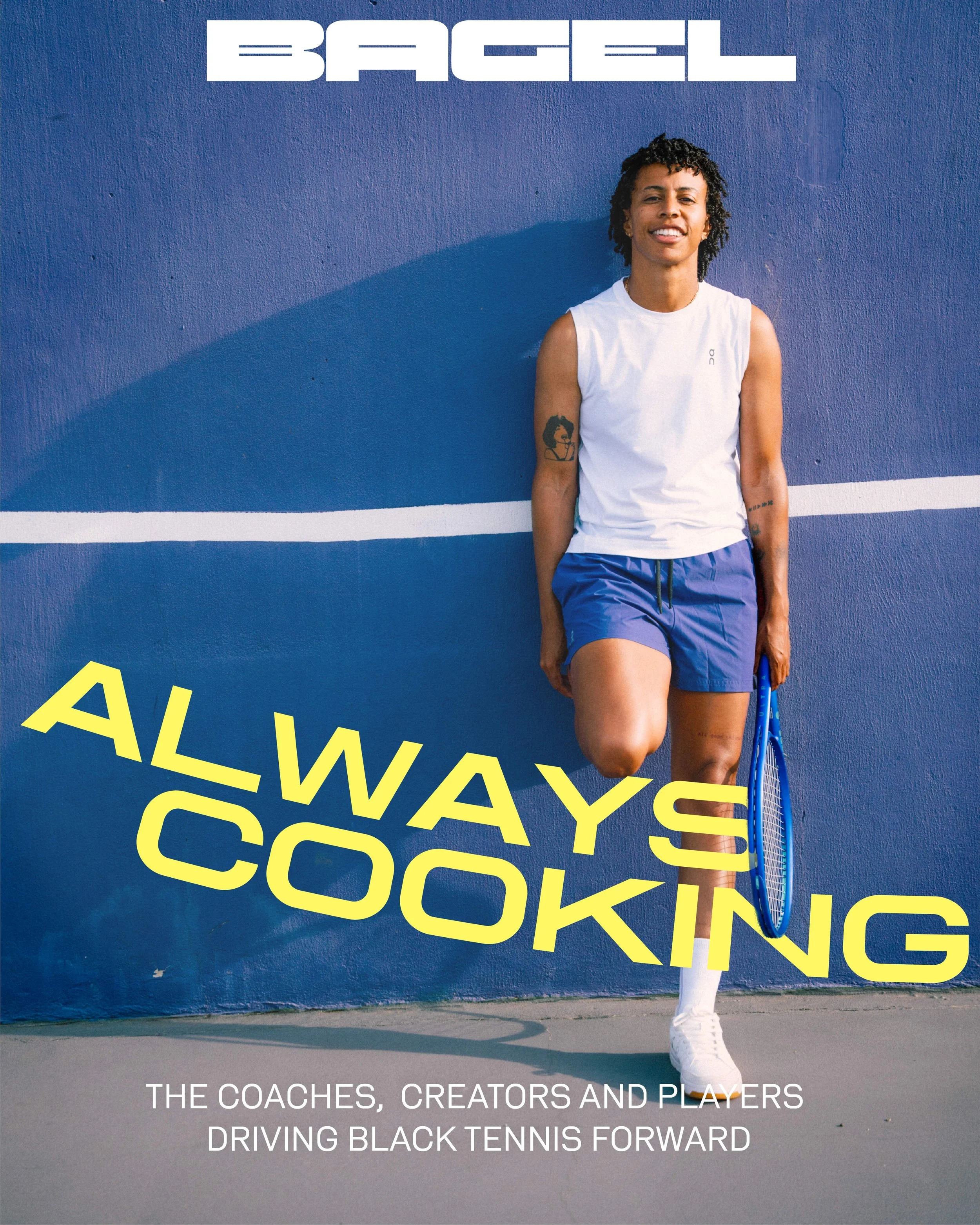
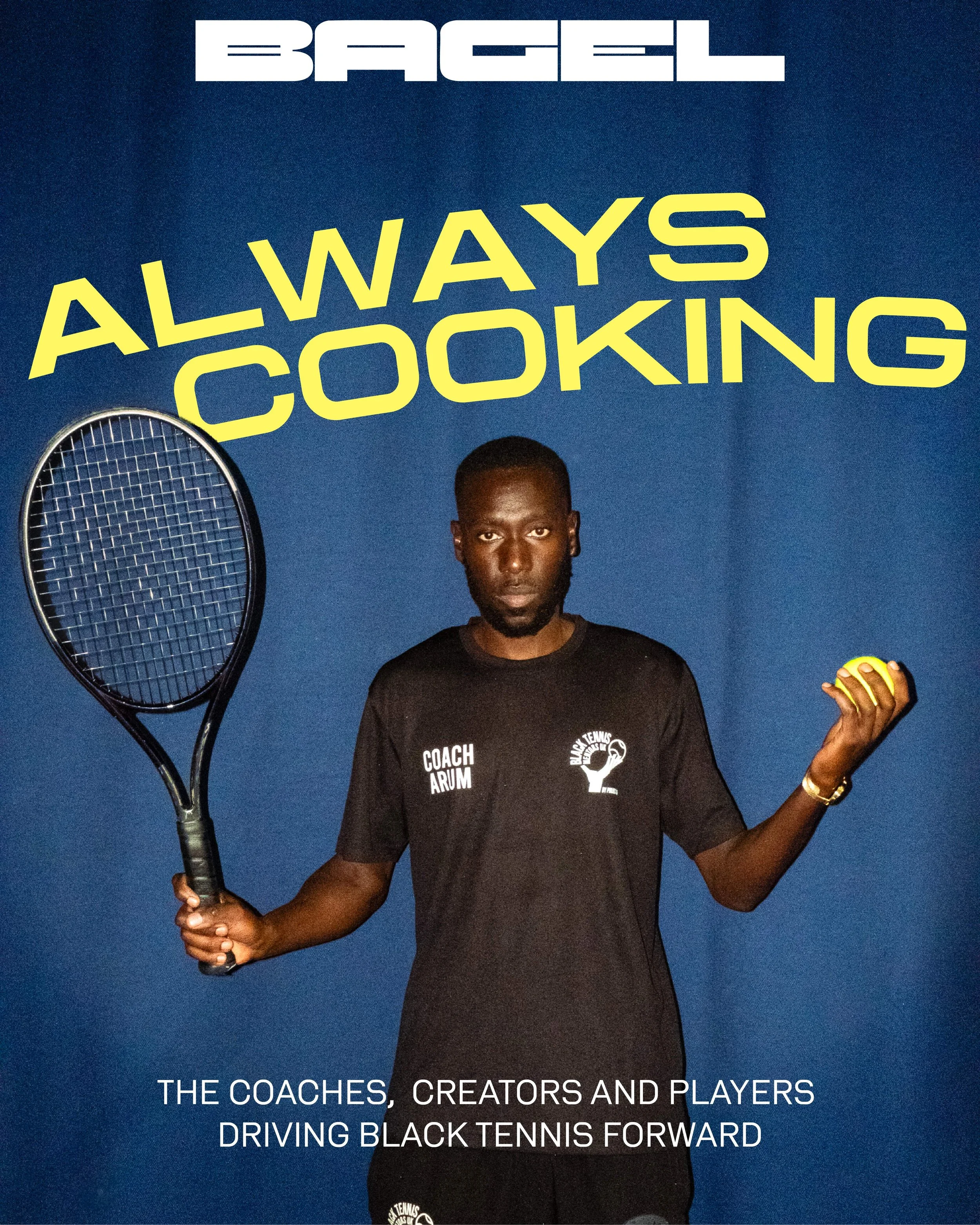
For Black History Month (October in the UK, February in the States), we’ve gathered two of the most pioneering coach-organisers on either side of the pond: two people who weren’t content to simply build tennis careers for themselves, but had the vision to create opportunities for the generations coming up behind them.
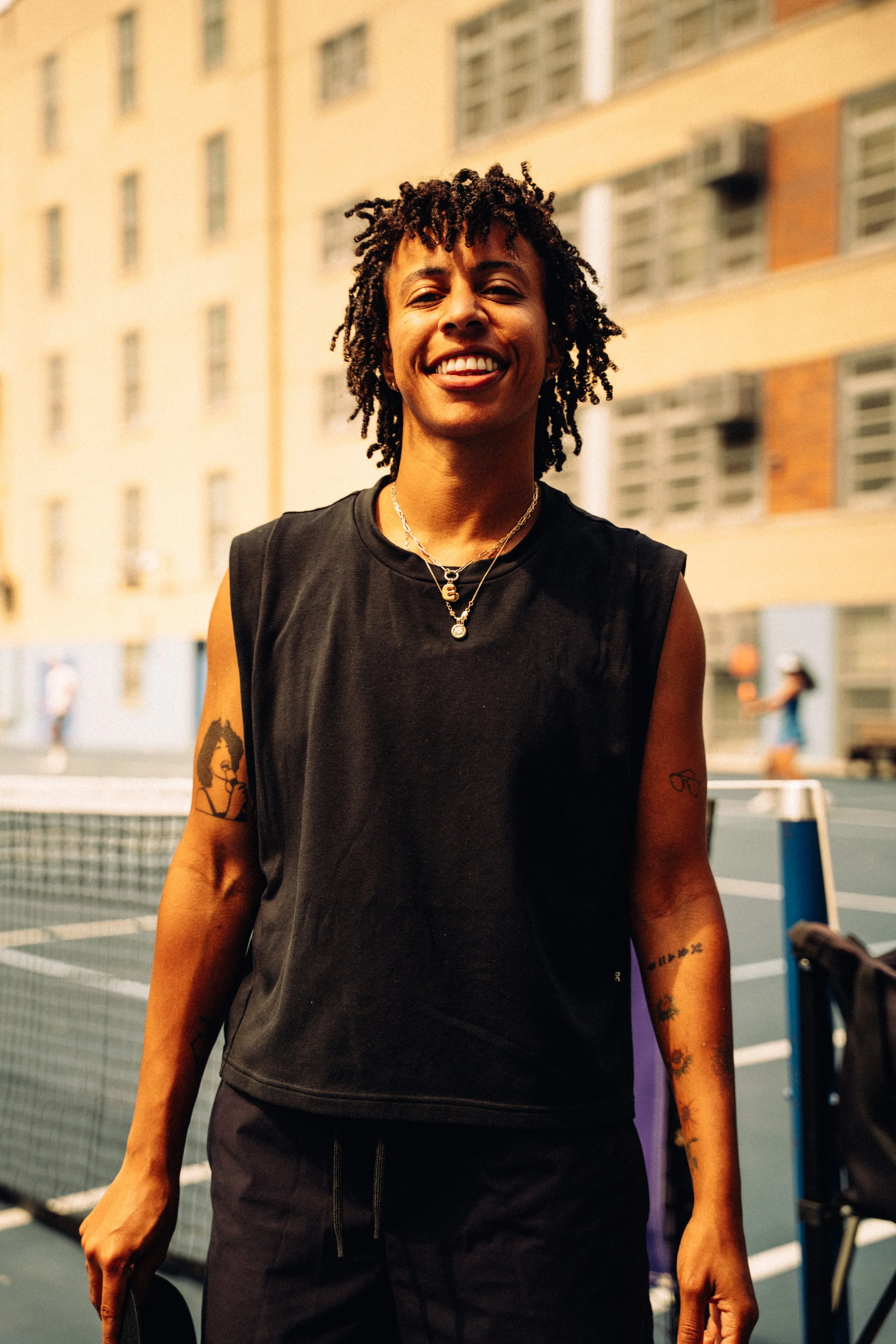
In LA: Erika Bond, founder of the All-Love Racquet Club, whose whole mission is to make tennis more accessible, inclusive and culturally relevant. Her street-style takeover with Jordan Brand shut down an entire Brooklyn block, creating pop-up courts, complete with community clinics, music, food and a “one-point” street tournament.
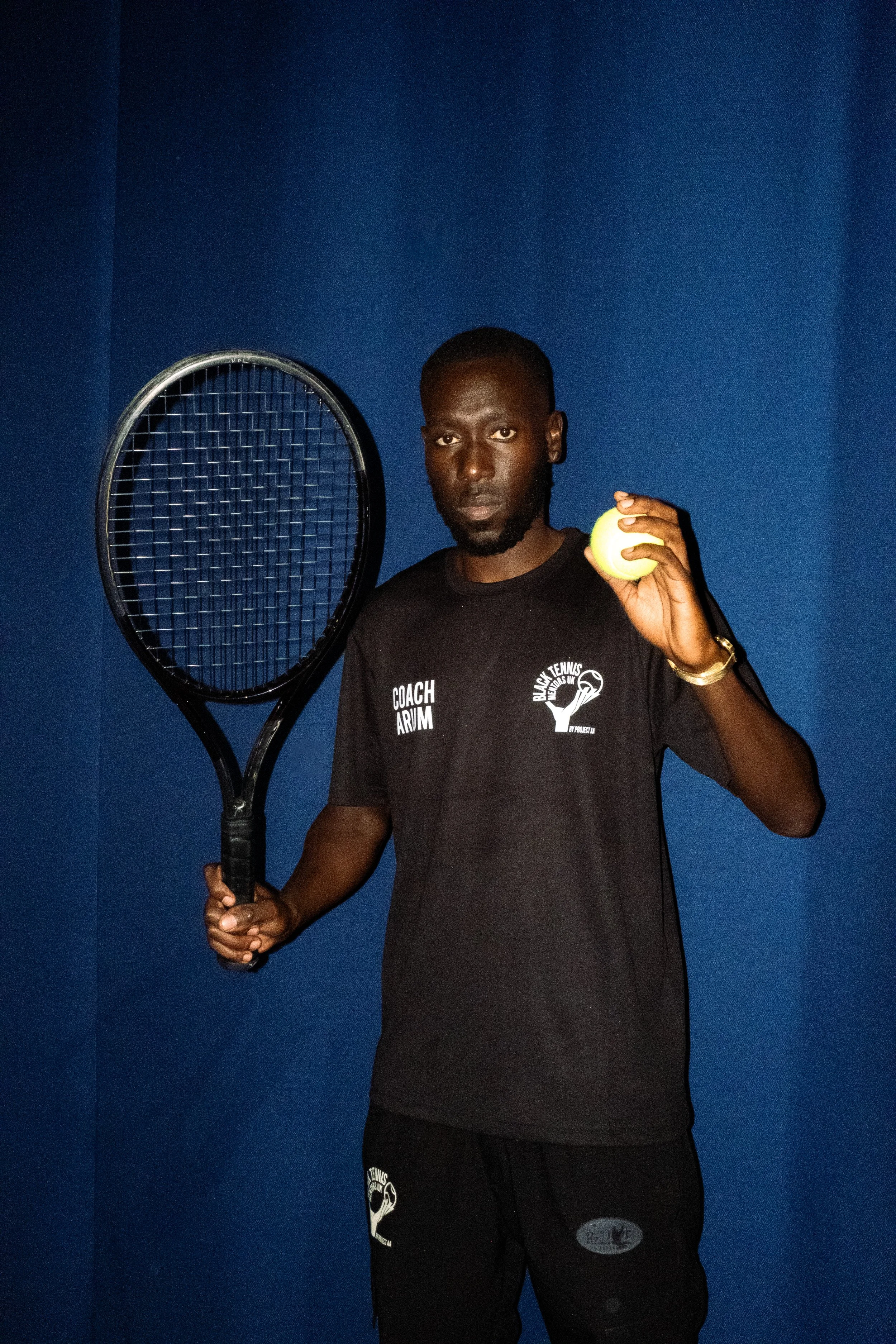
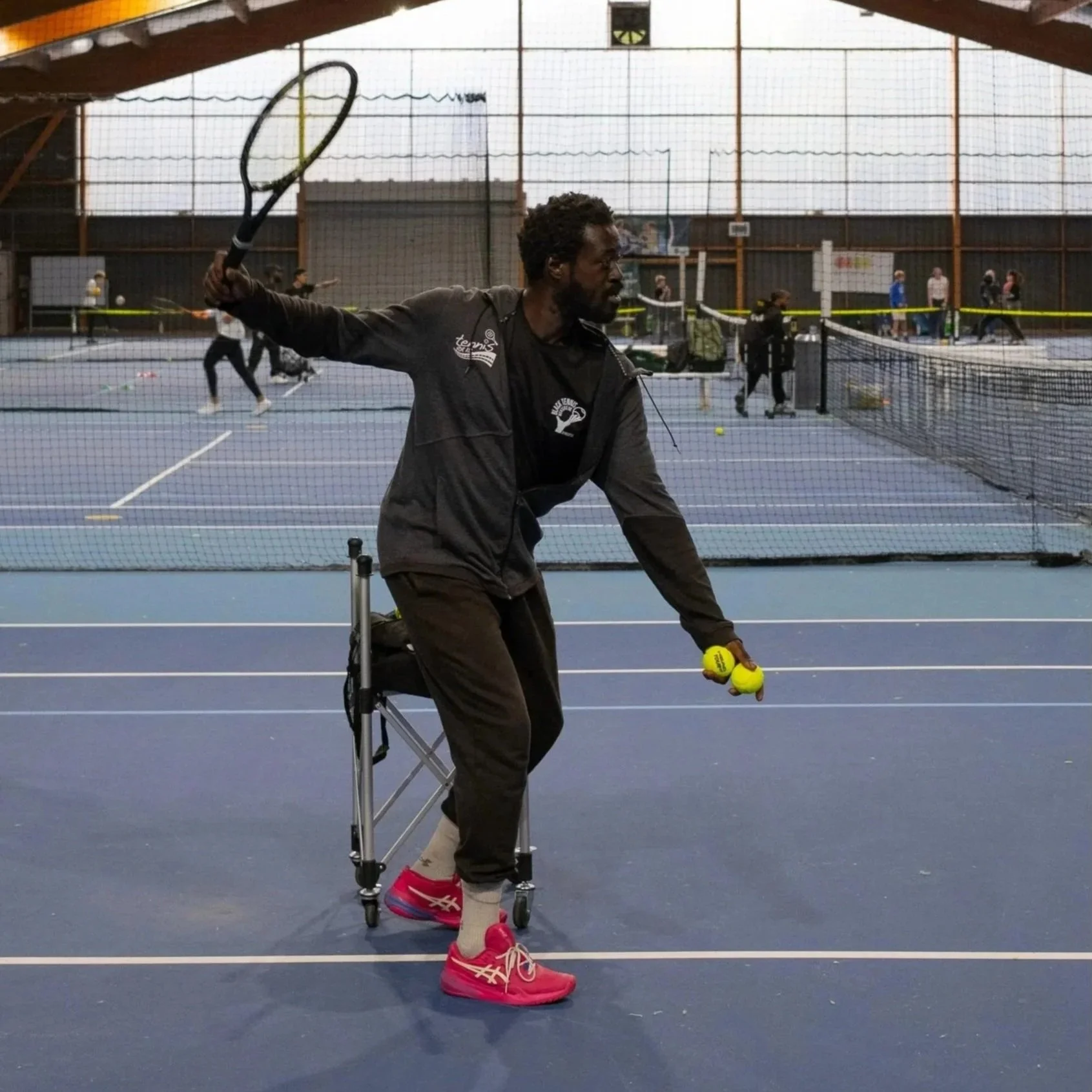
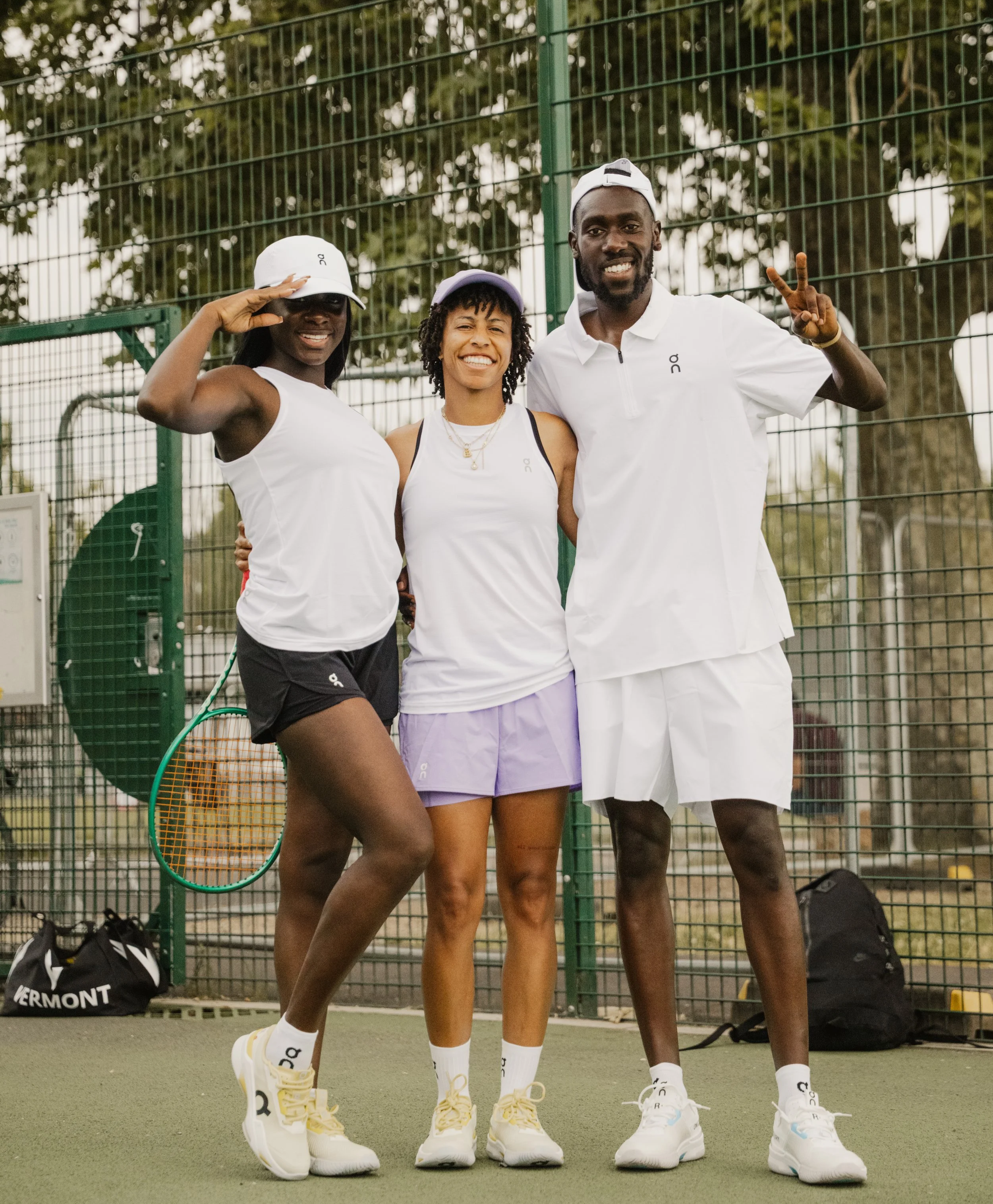
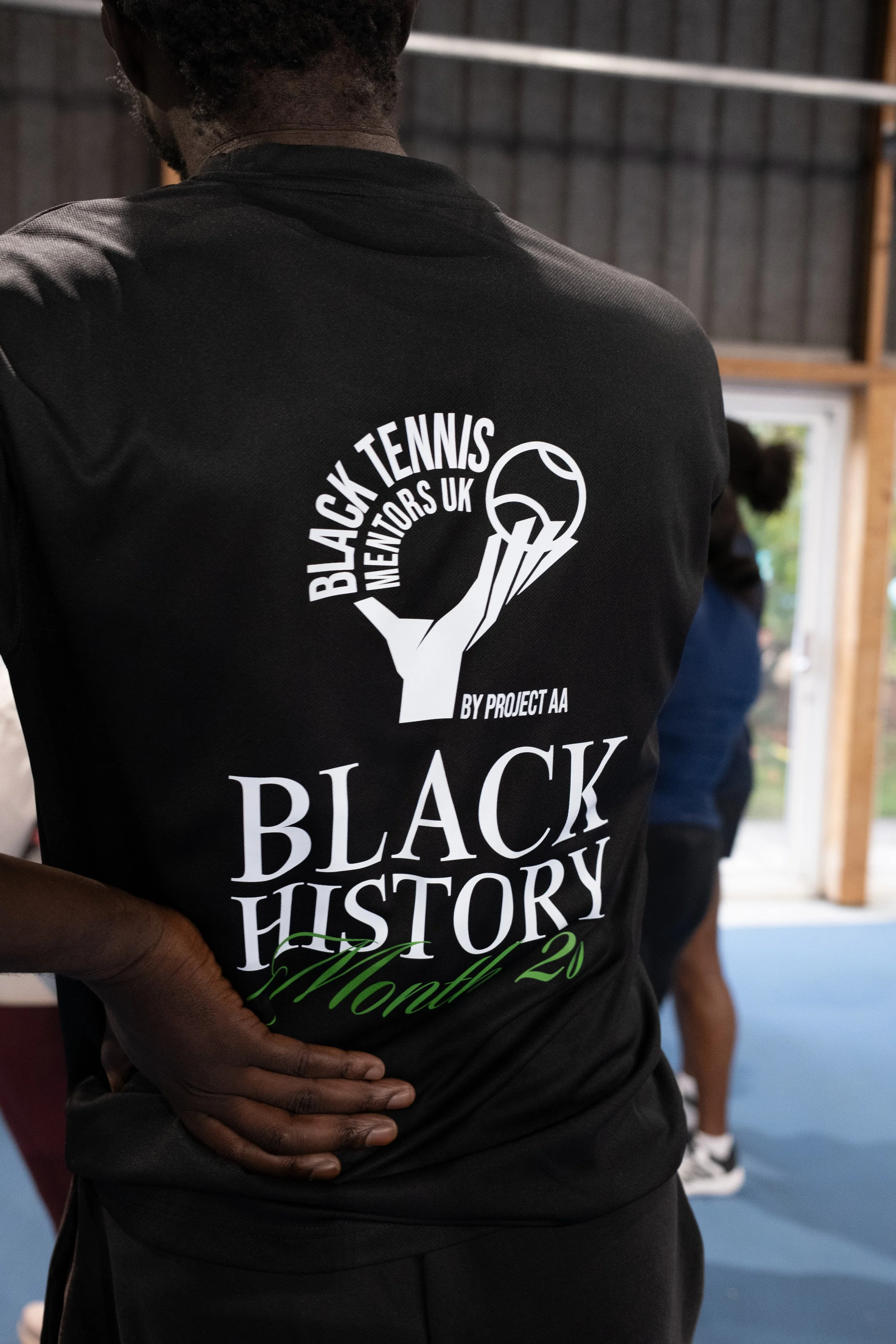
In London: Arum Akom, who co-founded Black Tennis Mentors at just 26 alongside Jabilayh (Bee) Asante, and who is head coach at Butterfly Tennis Club. Last weekend, he threw a buzzy Black History Month event in Bromley that proved you don’t need Centre Court to make a scene.
They’re supporting players, coaches and communities and redefining what tennis culture can look and feel like for the modern generation. Little wonder they’re also friends and collaborators. Stuart Brumfitt joined their chat about childhood heroes, Historically Black Colleges & Universities (HBCUs), the realities of racism and their hopes for the future of the game.
Stuart: Kicking off with you Erika: what made you start the All-Love Racquet Club?
Erika: I just started to think, “OK, what is something that I can do? What is something that I can be passionate about?” I need to make an impact, I need it to be purposeful and I need to feel the warmth in my heart. I started to think about my experience and knew that out here in LA, I would try to play tennis and go to different clubs, and people would say, “Oh, well, can you play? Can you afford to be here?” I tried to go to these clubs and I'm one of 300, which is crazy. And some of the social clubs that exist here are cool, but a lot of them are still very exclusionary, whether it's because of race, whether it's because you need to have a certain amount of followers. So I just wanted to find places where I could play with people like myself, I could listen to the music I wanted, I could have tattoos, I could have twists in my hair. I just wanted that. And
Stuart: You’ve done some events with each other in both the US and the UK. We wanted to chat about the different and shared Black experiences of tennis around the world, past, present and future.
Arum: I grew up in a predominantly Black tennis community in south-east London, so I was with communities that looked like myself. But once I branched out and started competing, I did see things changing. I then started to find out more about the history behind the sport. When you look at where things were when I first started playing versus the way things are going today, there's been a big shift.
Erika: I also grew up playing around Black people. I trained down in Atlanta, where a lot of Black players come through, like Coco Gauff, Ben Shelton, Donald Young. Then after that, I played in college and went to an HBCU. Once we started competing, we were playing other schools, and I realised, “OK, there's really not that many people that look like us.” And I can remember, especially as a junior, say I was winning, the immediate thing is there would be a racial slur. Tennis tends to get racial. Do you guys kind of have that equivalent?
Arum: Yeah, 100%. Definitely outside of our training environment. When I went to university, I saw maybe one or two players who I grew up with., Or maybe like one or two Black players in different tennis clubs. Although I saw a difference, I didn't feel like it impacted me majorly. I've come from a strong background with discipline, mindset and understanding how to be positive even when things may not go your way. I've had a lot of role models instill good values in me, so I wouldn't say it's something that majorly impacted me, but it was always something that I was aware of. When I got into coaching, that's when the whole industry changed and it really stood out for me. That's when I actually experienced some things that I don't think I should experience. Going into a club that doesn't have many black coaches, people staring at you and looking at you differently, as if you're not supposed to be there. Or talking to you in a certain type of way, but then talking to others in a different type of way. Or the energy that they're bringing when you're on court. But these things make you stronger, right? You just have to learn from it and try not to let it affect you and you just continue the positive work you're doing.
Stuart: We saw like last week with the awful racist abuse that came Coco Gauff’s way.
Erika: She was literally playing by the rules and the first thing that people were saying was about race and being so nasty. She put out a statement that was like, “You can dislike me or disagree about what happened without being racist.” And there was the thing with the University of Maryland's club team. It was crazy. They were gonna be hosting a tournament, so they sent out some of the tournament materials to the different schools, including Howard, a Historically Black College University (HBCU). Within the materials, there was an image incorporating KKK hoods. Why did that need to be in the materials? They even interviewed some of the Black players on the club team. It's crazy because there’ll be people that you see every day, and it's like, “OK, you actually hate me from a racial standpoint?” In the States, Black History Month is in February and one of my favourite things about Black History Month is that it's a time where if you're Black and you’re excellent, it’s highlighted. You start to find out a lot of stuff that you didn't know, like, “Oh, a Black person invented this, or a Black person invented that.” Take it to tennis and you just learn about so many people and so many trailblazers.
Arum: When you accomplish the goals that you're setting and you have Black History Month as a way of celebrating, then you feel that you've come so far. It does make a difference. At the clubs that I went to, players or staff just aren’t used to seeing people of colour in those environments and probably didn't know how to act. It’s not nice, but ultimately you have to find ways to deal with it. I've just continued doing positive work. It's definitely something that I feel like I'm experiencing less. Setting up the Black Tennis Mentors definitely helped, and partnering with organisations like the Lawn Tennis Association who do some really great work with various programmes. Ultimately, their goal is to open tennis up. But Black History Month shouldn't just be a one time thing where we celebrate in this period. It should be something all the time. We're continuously doing the work, and that’s what's allowing us to get into these rooms. To be able to speak to people and say, “Can we do these things to support our communities?” But it needs to be ongoing, because we're trying to change the whole sport. It's not just one particular community or one particular individual that we want to celebrate – it’s a global thing.
Stuart: Can you tell us about your experience playing at HBCUs Erika? Because they’re not a thing here in the UK.
Erika: We played other HBCUs, but we also played all the different schools. Our team was mostly American, but we did have people from Africa. It was fun and you got a high level of competition. Our guys won our division a couple of times and we made it to the finals a couple of times. I had a great time.
Arum: I did my undergrad here in Roehampton University and my master's at East London University. I got to compete in what we regard as a Super Six, so the top six universities in the country. That was a great experience for me because I was competing against players that played Futures and British tours. It was high level tennis. In my team, it was myself and another Black player and that was the case when we travelled to most universities across the UK.

Stuart: Do you both see things improving?
Erika: I love Beyoncé, right? And one thing that she does very well is like, “How do I top myself?” She's not in competition with anybody – just herself. So for me it's important to continue to push the boundaries. We obviously did the Brooklyn tennis on the street activation with Jordan. That was very dope. Jordan represents culture. They don't do tennis, and we literally sold out that collection for them. So it's important that I continue to push and go to different markets and have this conversation on the court and off the court. But the reality is there’s still gonna be those racial things, as seen with Coco Gauff, as seen with the University of Maryland, as seen with who we have as our President. So tennis is definitely changing – people like Arum, myself, the USTA, the LTA are doing a lot to help with that – but it's America, and I don't think we're ever gonna escape racism. Not anytime soon, at least. But it's still important to try.
Arum: The addition of more Black coaches is definitely helping because more players from the Black community are able to relate. Something that we do really well within Black Tennis Mentors is our co-educator programme, so getting Level 1 and 2 coaches qualified, then getting them work opportunities at parks and clubs. That’s just growing the landscape. Having a higher number of players in our community and being able to service their needs and provide more opportunities for them. For example, we took them out to the US Open and partnered with Erika and the various other Black organisations that they have out there. It was absolutely incredible.
Stuart: Do you think there’s a big difference in access in the US and the UK? In London, there is great access to public courts and not the need to be a member of a private club. How is it in the States?
Erika: Yeah, where you guys do have more of an advantage is the court system, the fees. Part of what I did with Jordan is we took one of the kid winners from the street event and took him to the US Open. It was actually really dope. He'd never been to the US Open before. When we got there, his Mom was with us, and was asking, “Do you guys get a lot of opportunities like this, working with brands?” I was like, “Kind of, but it only happens like during the US Open, when there's a spotlight on tennis.” She said there are some groups doing it, but it's not like there’s an abundance of courts for free. America is so capitalistic, that as an organiser, things are expensive. Sometimes you're working with brands and they're down to give product, but it's like, “OK, we also need like $50,000,” and then everybody gets quiet. But how can we provide access? How can we help lower the financial barrier if there's not somebody helping to fund that? I've pitched that Street Open to many brands that I've worked with, and it's like, “Well, I don't see how this helps the bottom line.” That's America! And it's very, very annoying, but these are the things that will continue to keep people down or out. But I do love how at least in London, I can always play. It's accessible.
Stuart: Coco Gauff has done a great job working with her sponsor New Balance to support communities in the US, resurfacing courts and giving free access. It feels like the right way brands should be working.
Arum: The American players are doing a great job. Taylor Townsend uses her platform extremely well to inspire young people, especially young females. Tiafoe has his own foundation as well and does a great amount of work getting people playing. The USTA is doing a great job and it's always great to learn from what you guys are doing and ways that we can implement that here in the UK.
Stuart: Most of the top Black tennis players have come from the US. Is there anyone coming up in the UK, Arum?
Arum: Yeah, there's a couple of young young players that I'm working with. There's a young girl that I've been training at the Butterfly Tennis Club for six years now. She's doing really well. She came through the nursery programme, which allowed her to get free tennis because she comes from a single parent and low income household. She gets free tennis with our community tennis programme. Then I sat down with her Mum and said, “I really want to help develop your daughter, and I'm happy to train her free of charge, because I was in that same position when I first started playing tennis in Camberwell, and I was on a programme that also gave us tennis free of charge.” She’s now doing competitions, and hopefully down the line, she'll go all the way to pro level. It's really exciting and something that we're definitely looking to achieve..
Erika: I love that. I’m excited to team up Arum and Bee and Max Benaim from PairUp. They really liked the Jordan event, so we're gonna try to replicate that in London. We’ll do court activations and we want to make it a weekend of amazing experiences.
Stuart: Growing up, who were your personal heroes in tennis?
Erika: For me, Venus and Serena, always. I was young and growing up and they were at the height of all of their butt-whooping, you know? I just love Serena. I love the champion's mindset. She was just beating everybody to the point where people were upset. For years, her and Venus were first and second place, so it was like a big FU to tennis. Here are these two Black women that are not super light-skinned, or racially ambiguous – cause that's when you're more accepted – and they were just like beating the living shit out of everybody! So yeah, always Venus and Serena for me.
Arum: Definitely to add Venus and Serena 100%. I actually had the pleasure of playing against Serena probably 10 years ago now. She was launching one of her new shoes and she did a Nike court event. They came to London and opened up one of the new courts around Bermondsey. It was like a one point slam against her. They fed the ball in and all the players that came before me were more like beginners and intermediates, so obviously they didn't stay in the point for too long. Then I rocked up and I'm probably like 14 at this time, so they fed the ball in there and I just hit a straight winner. I ran off the court, thinking, “I just beat Serena!” Everyone's screaming behind me and she's telling me to come back. She wants to play with me again. Obviously, we're getting into a little tussle, then she whooped me, and I had to just come up humbly. But I can always say I beat Serena.
Stuart: I love that she even had that champion’s mindset against you. Like she couldn’t have you go off having fully beaten her.
Erika: I also remember watching James Blake. I think he had a really bad back injury when I was really watching tennis. And Arthur Ashe is very interesting because with American Black history, you want somebody to be vocally Black. You know what I mean? Like outspoken. And Arthur had a different approach. He was quiet, but he did a lot of stuff behind the scenes. While he was playing, there were a lot of people like, “Oh, you're not Black enough.” Again, you can be amazing and still not enough. Then after he passed away, that's really when people started to see all the things that he did. So Ashe was somebody that I looked up to.
Stuart: I love to see you two are on different sides of the world, but still working together.
Erika: You know, what? I'm always cooking.
Aaron: You are always cooking!
BLACK HISTORY MONTH: SPOTLIGHT
When it comes to Black talent in tennis, it’s there for all to see in the Williams sisters, Ben Shelton and previous BAGEL cover stars Coco Gauff and Frances Tiafoe. But this Black History Month, we wanted to dig a little deeper and share the coaches, creators, communities, journalists, broadcasters and stylists who are changing the game. Here’s a by-no-means-exhaustive list of people to check out, from Arum (A), Erika (E) and BAGEL (B). And in no particular order…
Tumaini Carayol - Sports Writer
The Guardian’s lead tennis reporter is one of the few dedicated British tennis writers still following the tour full-time, producing a mix of great match reporting and exclusive interviews. B
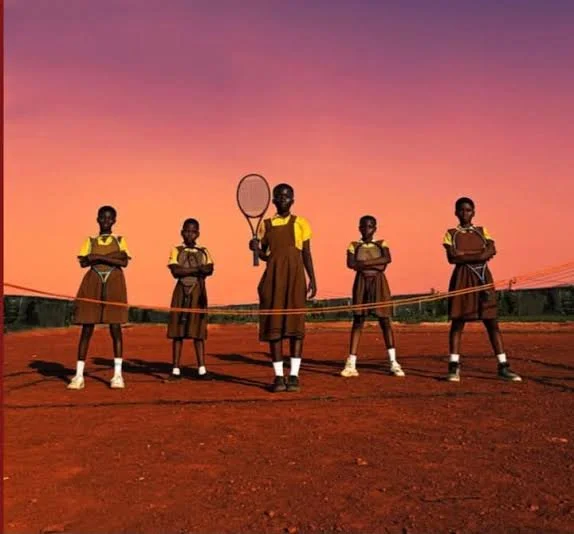
Naa-Shika Adu - Founder, Ace Tennis Ghana
Naa-Shika is doing incredible work connecting tennis with art, culture and African identity. Through projects such as Vernacular of Play, she’s taking on traditional perceptions of tennis and creating conversations around representation, creativity and belonging. A
Scotty P Ballin - Content Creator
Scotty’s exuberant voiceovers of his friendly match-ups feel like the future of tennis commentary. We’d love to hear it at pro-level tournaments. BRRRRRR! B
Jasmine Henderson - Co-Founder, DFW Black Tennis
Jasmine’s building something special in Dallas, creating a community where Black and Brown players can find connection, competition and a genuine sense of belonging through tennis. DFW Black Tennis has grown into an influential community organisation, earning the 2026 USTA Texas Small Community Tennis Association of the Year award. E
Chanda Rubin - Broadcaster
And in a more traditional commentator role, there’s the former world no. 6, Chanda Rubin, who’s turned her talents to smart and soothing match analysis on Tennis Channel. B
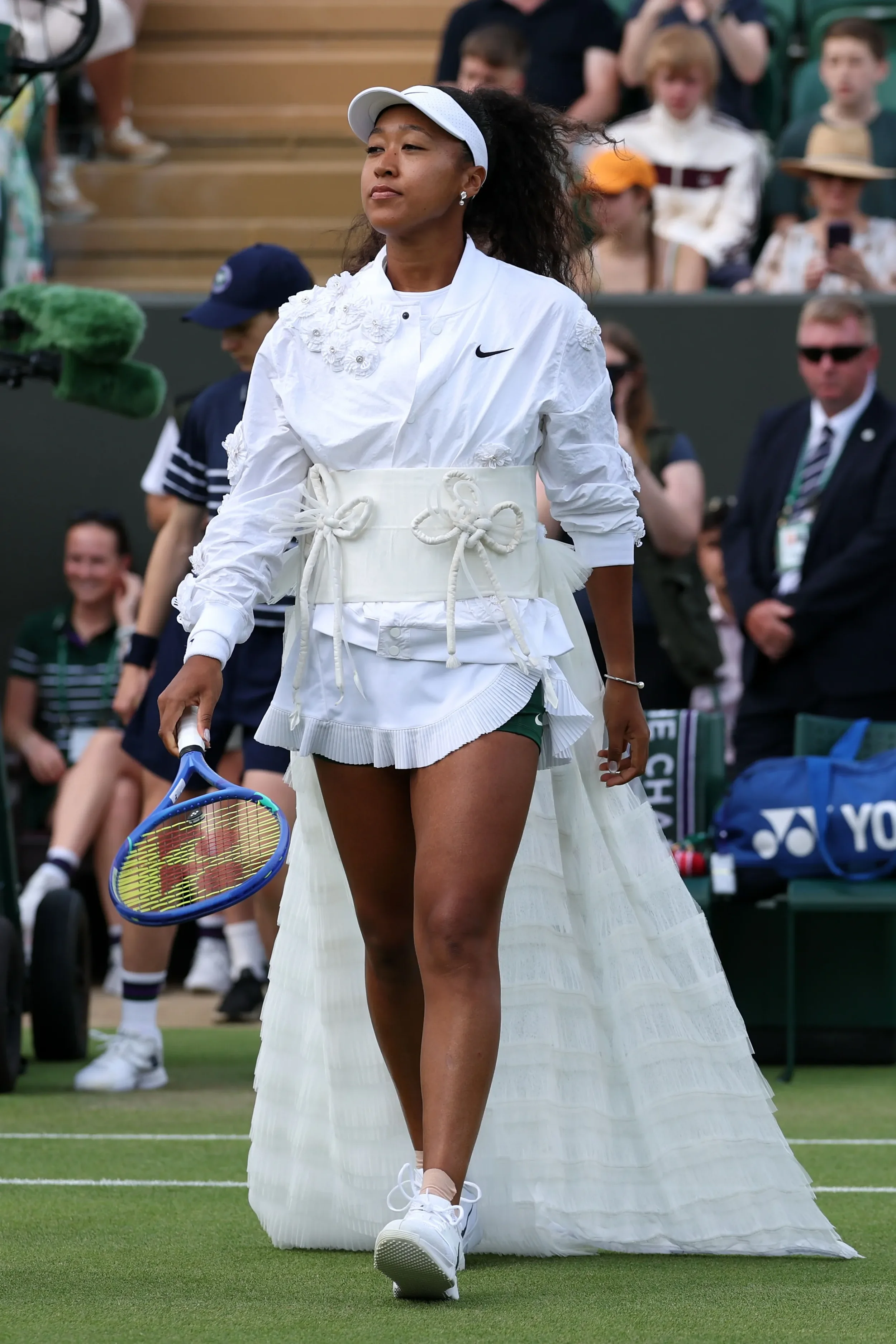
The man behind Naomi Osaka’s most show-stopping looks. Few stylists in the world have made as many headlines. Read our interview with Marty in the new issue of BAGEL. B
Marty Harper - Stylist
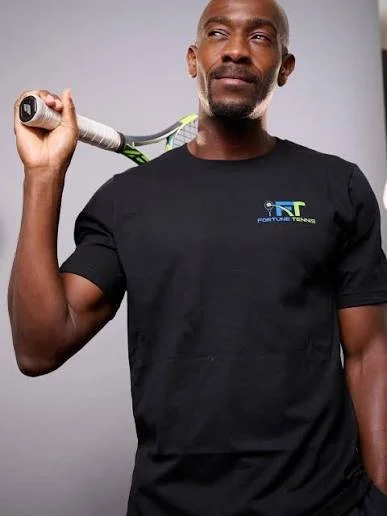
Emmanuel Fortune - Founder, Fortune Tennis
Emmanuel is a Los Angeles-based coach and founder of Fortune Tennis. He has created opportunities for players to experience the game in a welcoming environment. He’s helping bridge the gap between traditional tennis instruction and a more inclusive, culturally connected tennis community. E
James Blake - Tournament Director
The former world no. 4 is now the well-regarded tournament director of the Miami Open, a tennis commentator and analyst for ESPN, and an author. What can’t this man do!? B
Femi Sangowawa - Founder, Full Court with Fems
An emerging Level 2 coach supported through Black Tennis Mentors, Femi has recently launched her own coaching platform in Essex and is a great example of the next generation of coaches taking initiative, creating opportunities within their communities and inspiring more people to get involved. A
Christian’s Court - Content Creator
A new kind of content reporter, Christian Basnight is known for his opinions on players’ tour kits, as well as smart takes and press conference questions that have even caught the eye of Coco Gauff. B
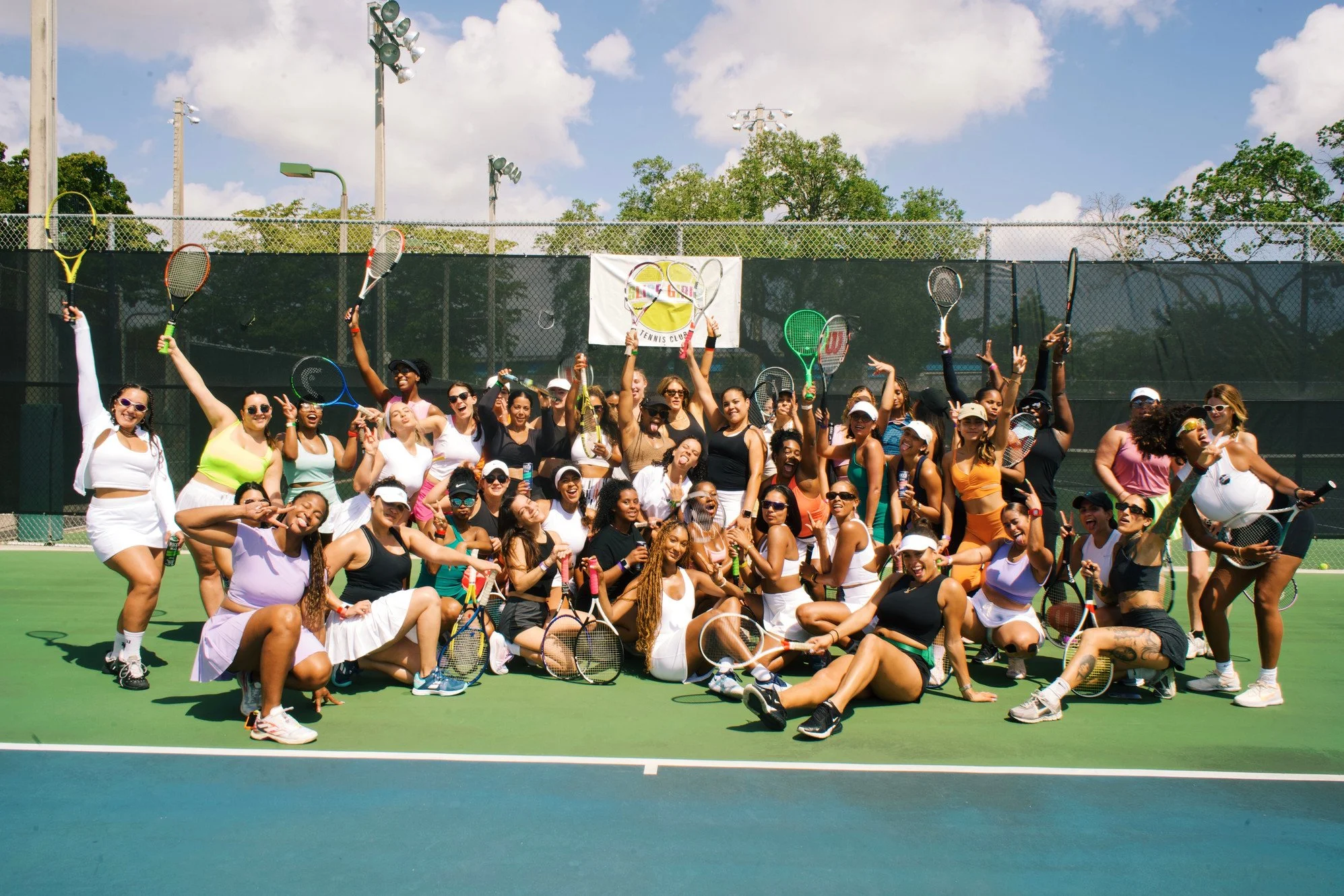
Alexandra Katya - Founders, Slice Girls Tennis Club
Alexandra Katya is helping redefine what tennis looks and feels like for women of colour through Miami-based Slice Girls Tennis Club, blending sisterhood, culture and community into the sport. Making tennis more approachable, vibrant and representative of the women who play it. E
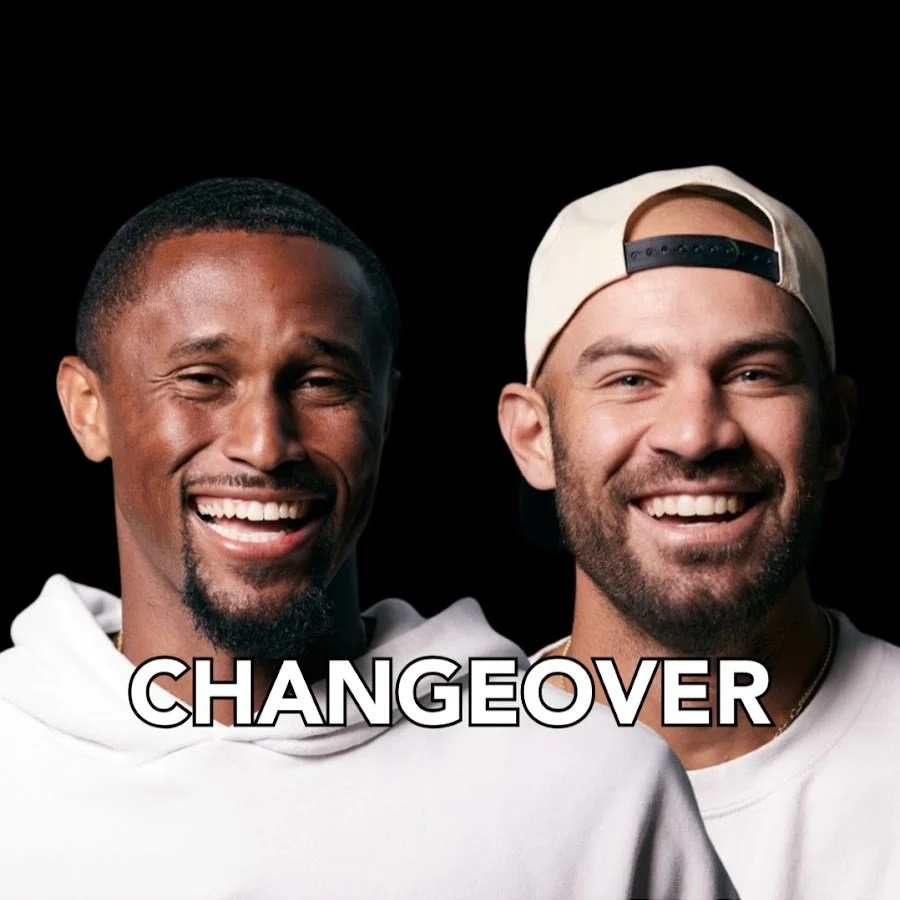
The Changeover Podcast - Podcast
Pro players Jody Maginley and Justin Roberts use their insider knowledge to gain extra insight in their interviews with top players, coaches and tennis personalities, from Frances Tiafoe to Aryna Sabalenka’s coach Jason Stacy. B
Racquet Theory - New Media
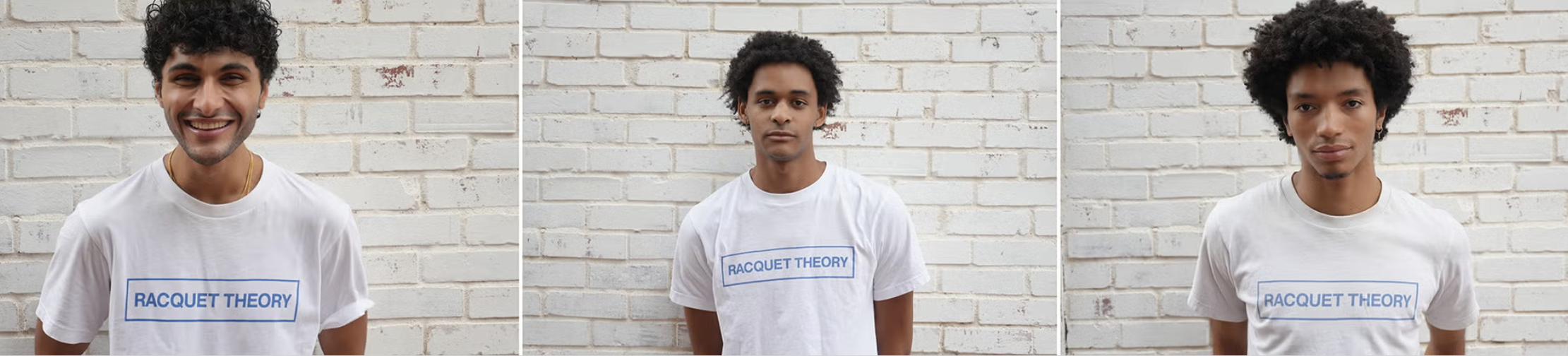
New York’s “Gen Z’s independent tennis internet office” are the new kids on the block, but have already bagged a big-name in-car interview with Naomi Osaka at this year’s US Open. Contemporary cultural takes. B
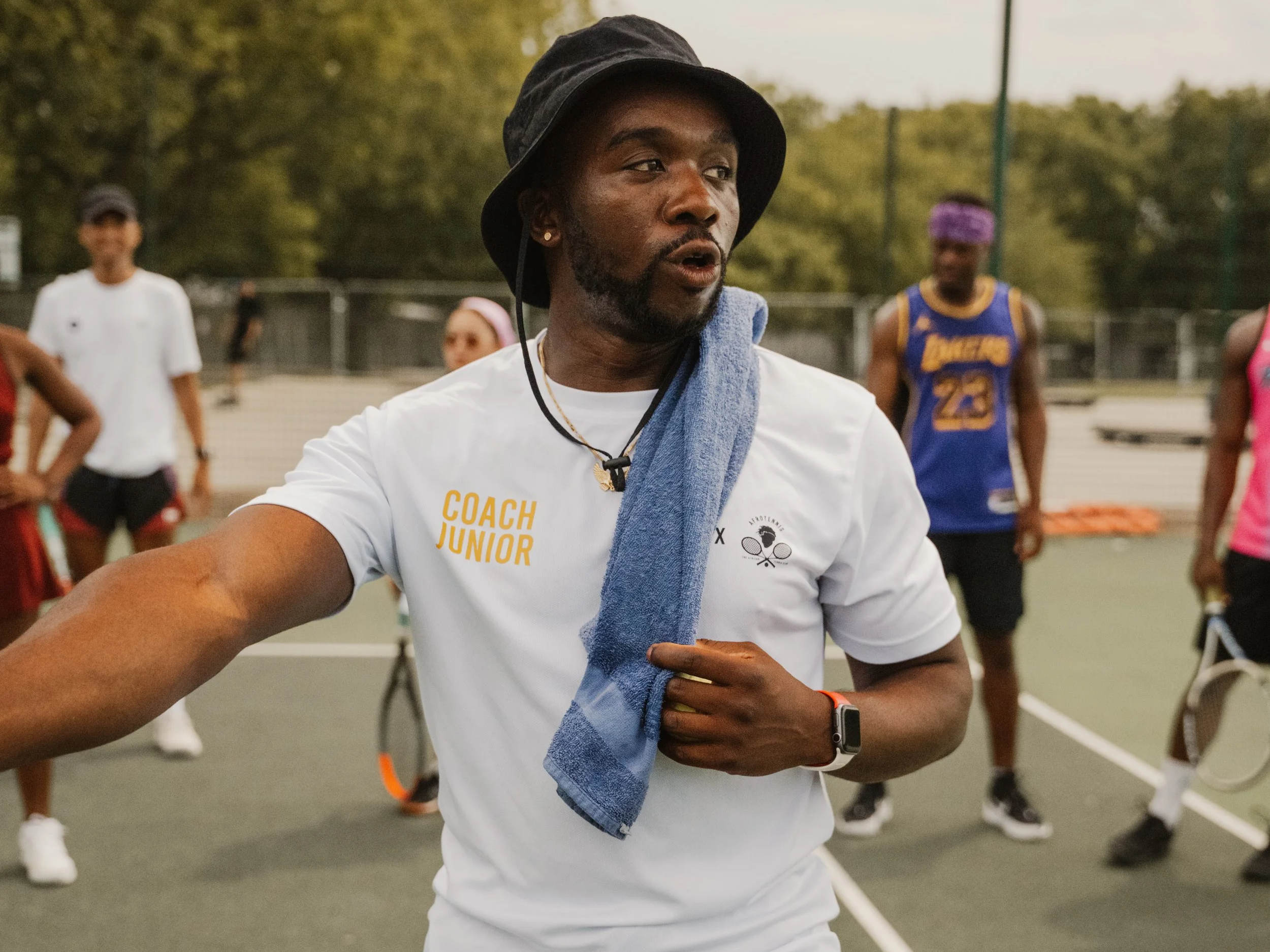
Junior Babalola-Davies - Lead Coach Mentor, Black Tennis Mentors
Junior is passionate about developing the next generation of coaches and creating tennis experiences that go beyond the court. His work combines mentorship, grassroots coaching and community engagement, helping more people see tennis as a space where they belong. A
The Tennis Pulse - New Media
Berlin-based American sisters Zani Suttle and Lindiwe Suttle Müller-Westernhagen create fashion-focused forums and posts, but are also committed followers of the tour (especially the WTA) and can be heard screaming at their TV sets with infectious passion. B
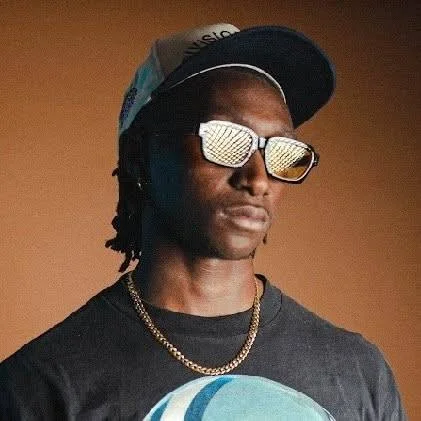
West Von - Content Creator
Pro players Jody Maginley and Justin Roberts use their insider knowledge to gain extra insight in their interviews with top players, coaches and tennis personalities, from Frances Tiafoe to Aryna Sabalenka’s coach Jason Stacy. B
Baseline Conversations - Content Creator
Former Division I college football player Sam Morrison turned to tennis a few years ago and has been documenting his learning journey ever since. Shot against beautiful skies in Phoenix, Arizona, with reflections on how the game can be beautiful, but also frustrating beyond belief! B
Art Carrington - Coach
As well as being a former Division I athlete, Art is a Black tennis historian and published author. He uses unconventional props like whips, ribbons and martial arts equipment to make tennis technique tangible. B
Prince Wale Oladunjoye - Tournament Director
Prince Wale Oladunjoye dreamed up Lagos’s ITF tournament in 1999 and, as its director, has helped it grow from a 2000 debut with $43,000 in prize money into a $100,000 event that drew players from 57 countries in 2019. A great testing ground for Nigerian players. B
She Can Serve - Community Club
An all-female crew of coaches – Rushan Tonge-Bobia, Angela Zamara and Memuna Koroma – run She Can Serve as a community-led tennis initiative creating welcoming spaces for women to learn, play and build confidence on court. B
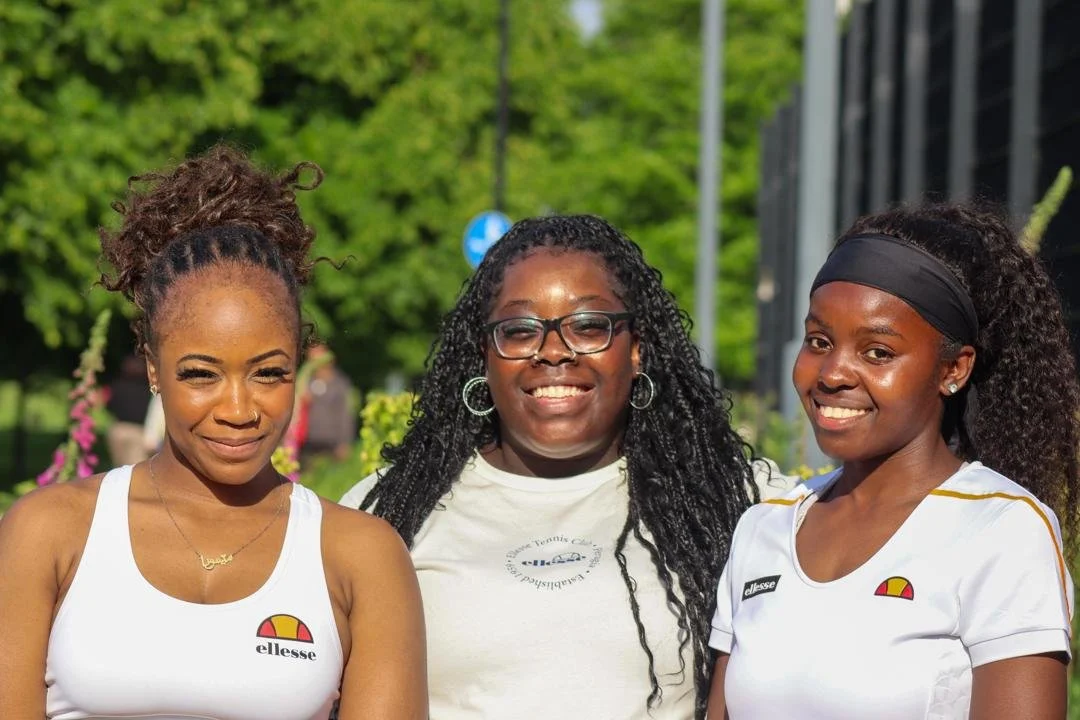
Kadmiel Van Der Puije and Kemuel Van Der Puije - Event Organisers
The creators of The African Open, an amateur tennis tournament that brings tennis, fashion, music and African diaspora culture together, building a fresh platform for community, connection and representation. B
Blest Jones - Founder, Coach Blest
A former Division I standout at Loyola University Maryland, Blest is bringing a fresh perspective to tennis by merging his experience as an elite player and coach with his career in music and fashion. Through the Coach Blest brand and community work in Los Angeles, he’s showing how tennis can extend beyond the court and connect with culture in ways that resonate with a new generation. E

Abyan Hussein - Emerging Tennis Leader and Media Creative
Prince Wale Oladunjoye dreamed up Lagos’s ITF tournament in 1999 and, as its director, has helped it grow from a 2000 debut with $43,000 in prize money into a $100,000 event that drew players from 57 countries in 2019. A great testing ground for Nigerian players. B
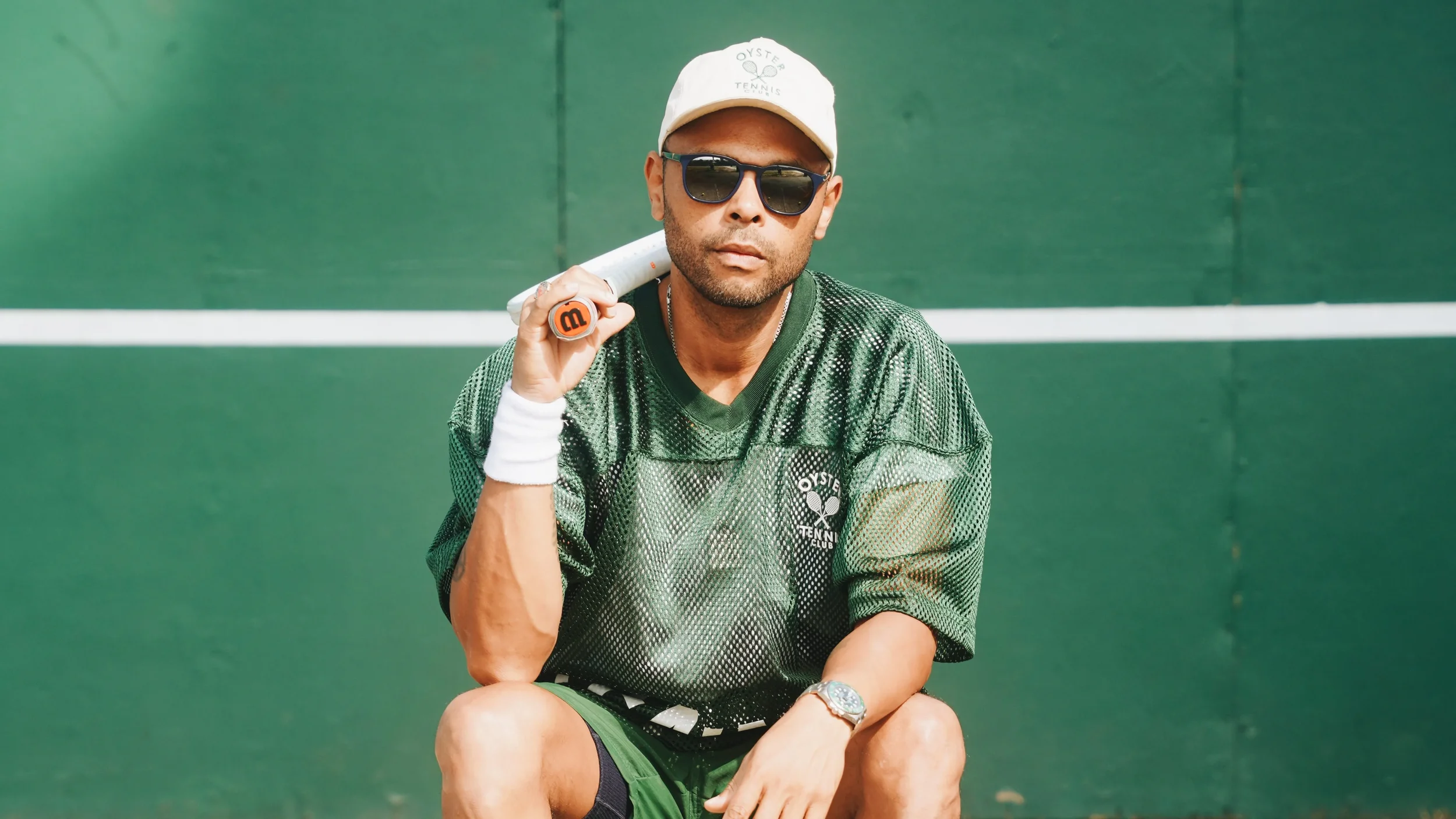
The Los Angeles-based community and brand founded by Woodie believes you should never be too old to learn and experience something new, and through Oyster Tennis Club he’s empowering his community to follow their passion. B
Woodie White - Founder, Oyster Tennis Club